


Manufacturing
The processing industry mainly refers to the industrial sector that processes raw materials such as products from the mining industry and agricultural products, or reprocesses and repairs processed industrial products, or assembles components. It generally includes metallurgy, machinery, thick-walled steel pipes, electronics, chemicals, petrochemicals, wood processing, building materials, papermaking, textiles, food, and leather industries.
Classification:
Business Department
Keywords: project investment, blister tray
Message
Detailed description
The processing and manufacturing industry is based on production lines, involving large-scale and standardized processing of raw materials (or materials provided by customers) procurement. The biggest characteristics of the processing and manufacturing industry are scaling, standardization, and production assembly lines. Compared to the equipment manufacturing industry, the most basic form of competition in the processing and manufacturing industry is cost and price competition. Traditional processing and manufacturing industries focus on past labor products as labor objects, such as metallurgy, machinery, electronics, chemicals, petrochemicals, wood processing, building materials, papermaking, textiles, food, leather, etc. With the development of technology, the processing and manufacturing industry has gradually evolved into a high value-added processing and manufacturing industry that utilizes high-tech, new technologies, and new materials.
Next
Next
Real estate investment refers to activities that help investors select suitable investment projects among numerous real estate resources, based on the actual conditions of the real estate market and the comprehensive investment willingness of the investors. As an investment activity, a scientifically reasonable investment plan can assist investors in conducting project feasibility analysis and investment return analysis, thereby making scientific investment decisions that are beneficial for the recovery of investors' interests. Every investor hopes to make a lot of money without risk. However, the risks associated with real estate investment are multifaceted. It is impossible to completely avoid risks; one can only seize investment opportunities and minimize risks. Grasping the timing of real estate investment means seizing the timing and opportunities of real estate investment. The timing for real estate investment is usually fleeting. Real estate investors should closely monitor the macroeconomic policies of the country and region and their changes, conduct market analysis seriously, and timely discover and seize investment opportunities. "The difficulty of a matter is not its size, but its timing." Real estate investment is no exception; choosing the timing for real estate investment is not an easy task.
View Details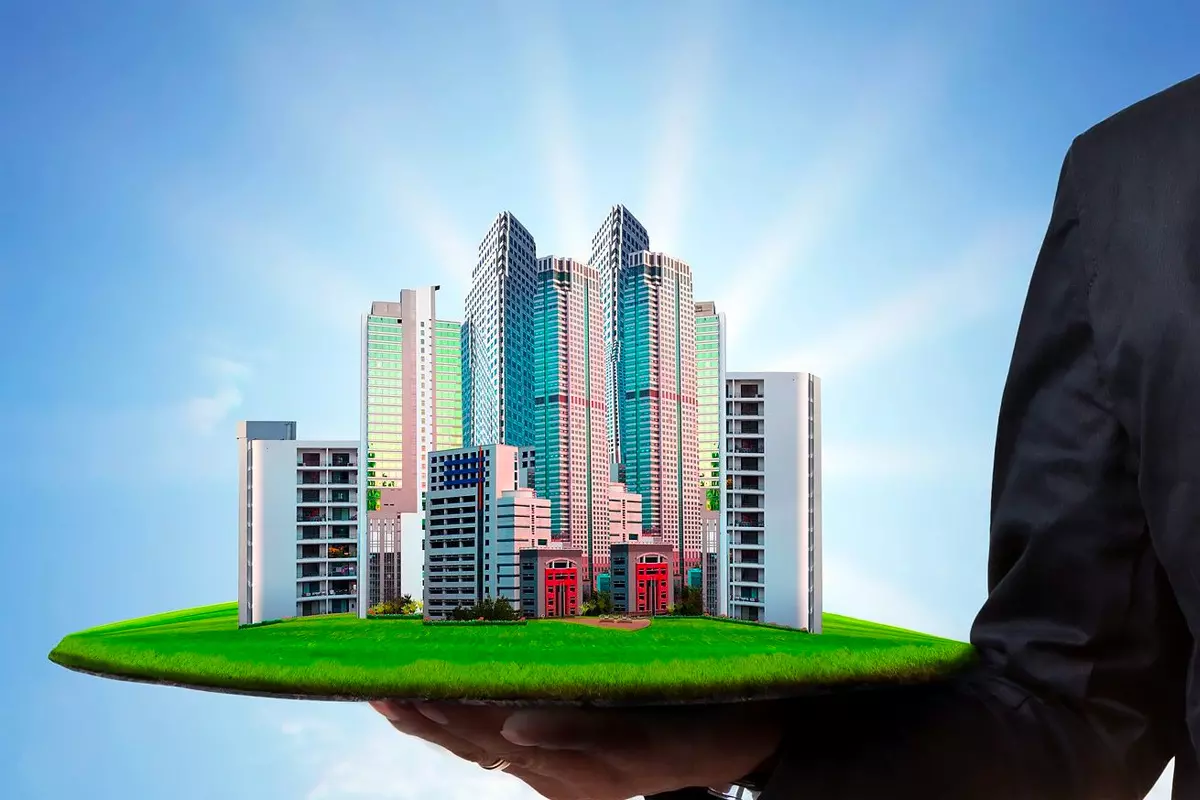
The processing industry mainly refers to the industrial sector that processes raw materials such as products from the mining industry and agricultural products, or reprocesses and repairs processed industrial products, or assembles components. It generally includes metallurgy, machinery, thick-walled steel pipes, electronics, chemicals, petrochemicals, wood processing, building materials, papermaking, textiles, food, and leather industries.
View Details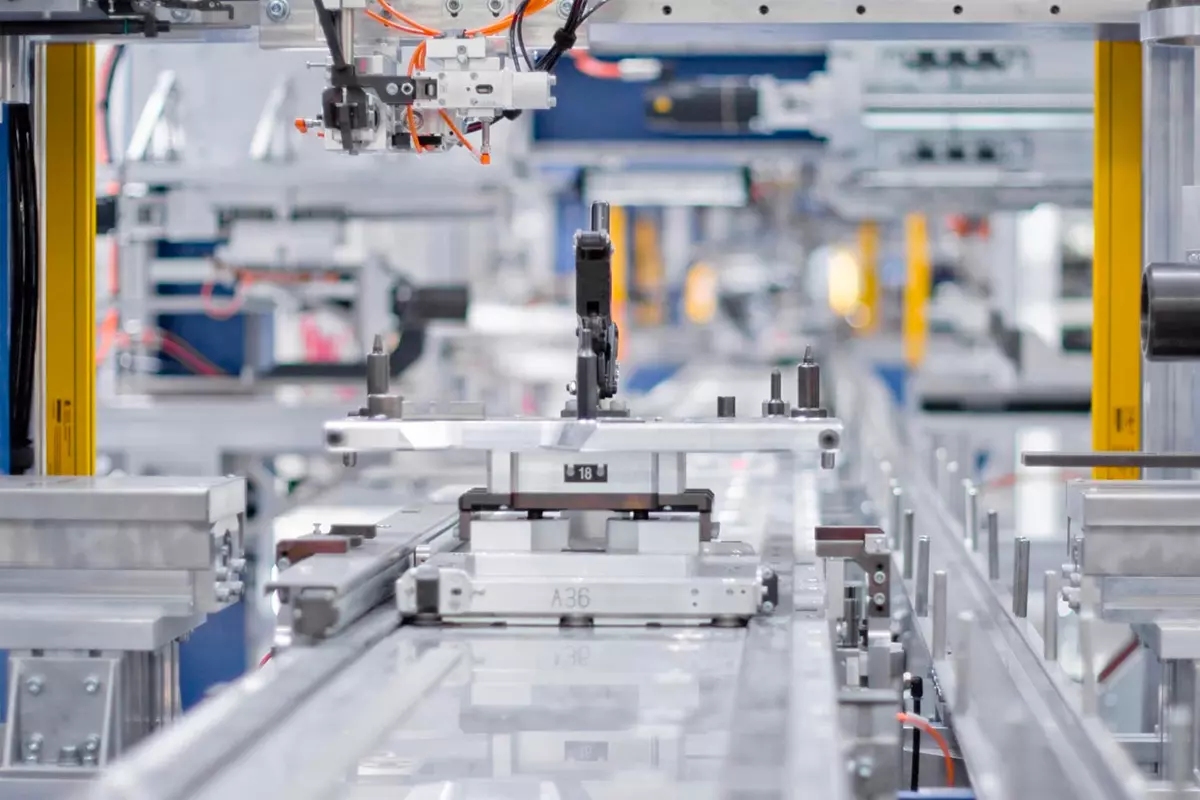
Landscape greening projects are engineering works for the construction of landscape green spaces. Landscape greening provides people with places for good rest, cultural entertainment, closeness to nature, and fulfills people's desire to return to nature. It is an important measure to protect the ecological environment and improve the urban living environment. Landscape greening generally refers to the environmental construction projects covering landscape construction projects in urban green spaces and scenic areas, including landscape construction projects, earthworks, landscape mountain construction projects, landscape water management projects, landscape paving projects, greening, and flower planting projects. These projects apply engineering technology to express landscape art, integrating the engineering structures on the ground with the landscape.
View Details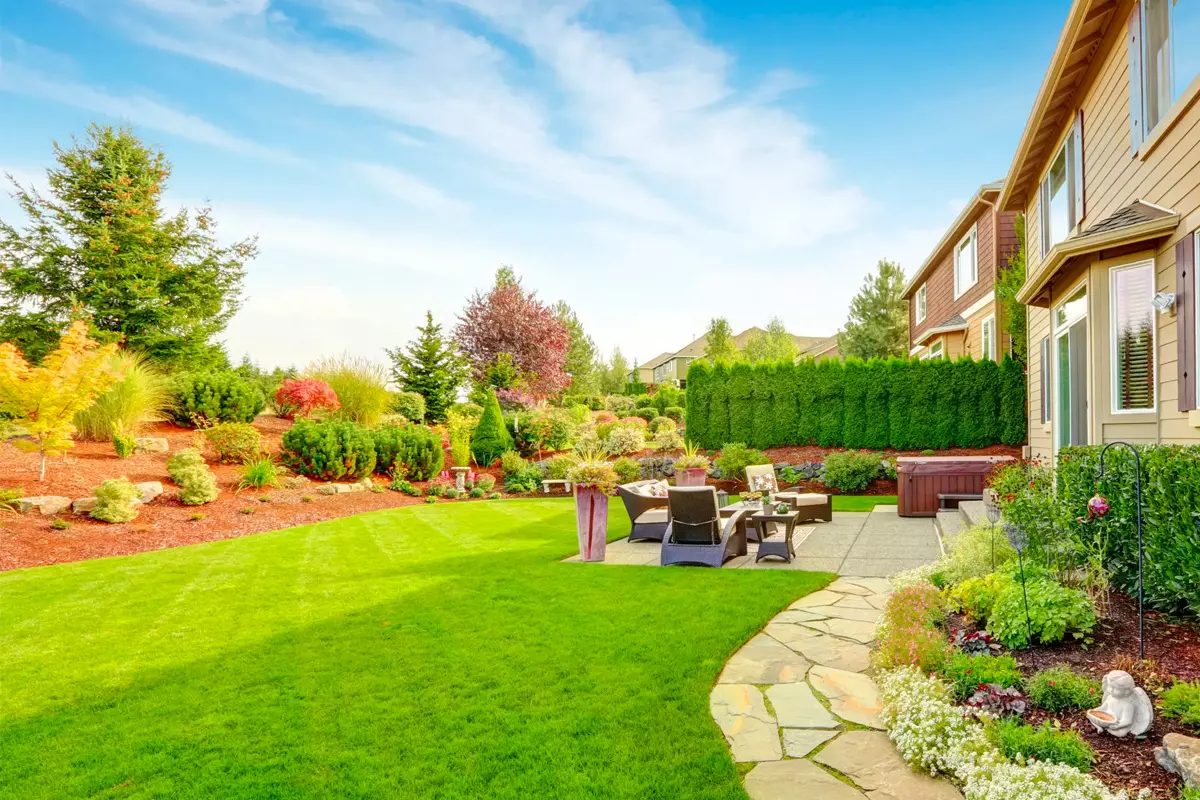
Residential property: Refers to buildings with residential functions, for people to live in; including residential communities, individual houses, apartments, villas, resorts, etc.; of course, it also includes shared facilities, equipment, and public spaces that accompany them. Commercial real estate: Sometimes also referred to as investment property, refers to properties that can obtain continuous growth returns or can appreciate continuously through operation. These properties can be roughly divided into commercial service properties and office properties. Commercial service ownership refers to various building locations for commercial and service purposes, including shopping centers, department stores, supermarkets, specialty stores, chain stores, hotels, warehouses, and recreational venues. Office properties are places where managers (white-collar workers) engage in production, operation, consulting, services, and other industries. They fall within the scope of production and operation materials. This type of property can be divided into traditional office buildings, modern office buildings, and smart office buildings based on the development process. According to the property grade of office buildings, they can be divided into Grade A office buildings, Grade B office buildings, and Grade C office buildings.
View Details
What kind of help do I want to give you?
Please confirm and fill in your information so that we can better serve you!
Note that the content with * is required, thank you!
Contact Information
Address: Room 201, Building 3, No.2 Bojian Street, Tangxia Town, Dongguan City, Guangdong Province
Mobile website