


A type of plastic processing technology, the main principle is to heat and soften flat plastic sheets, vacuum adsorb them onto the surface of a mold, and cool them to form. It is widely used in industries such as plastic packaging, lighting, advertising, and decoration.
View Details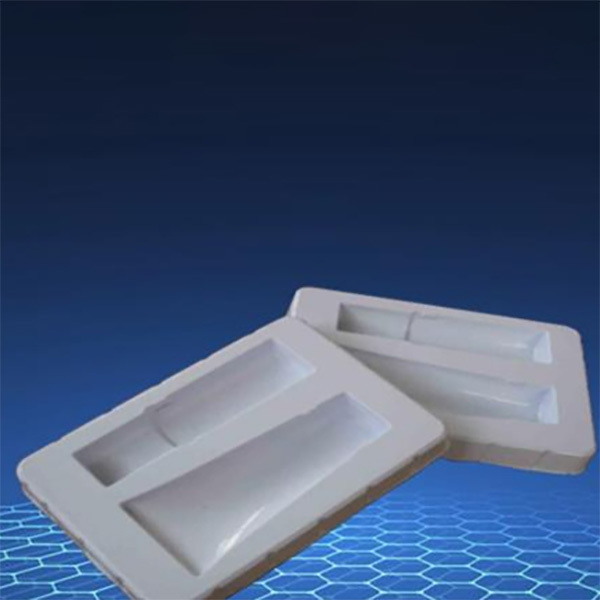
Blister packaging has many advantages such as being lightweight, waterproof, moisture-proof, and dust-proof, effectively protecting products from external environmental influences. In addition, blister packaging also has excellent compressive strength, which can effectively prevent products from being damaged during transportation and storage. Blister packaging is a common form of packaging with many advantages and wide applications. It can effectively protect products from external environmental impacts while enhancing the aesthetics and value of the products.
View Details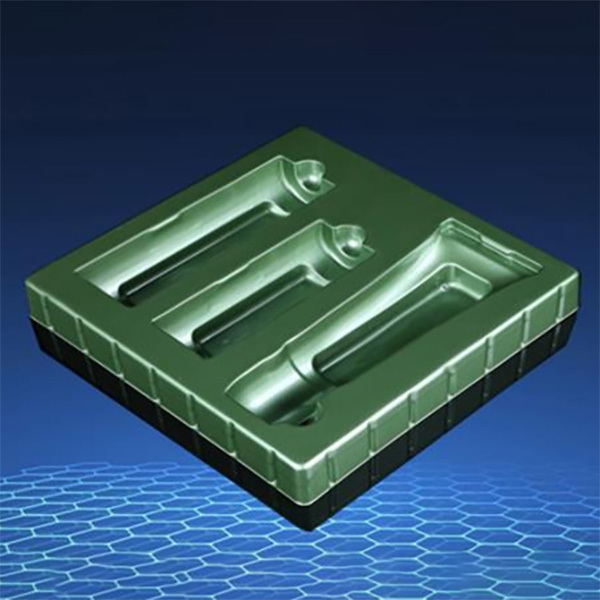
Designing molds: Design corresponding molds according to the size and shape of the vacuum-formed box.
View Details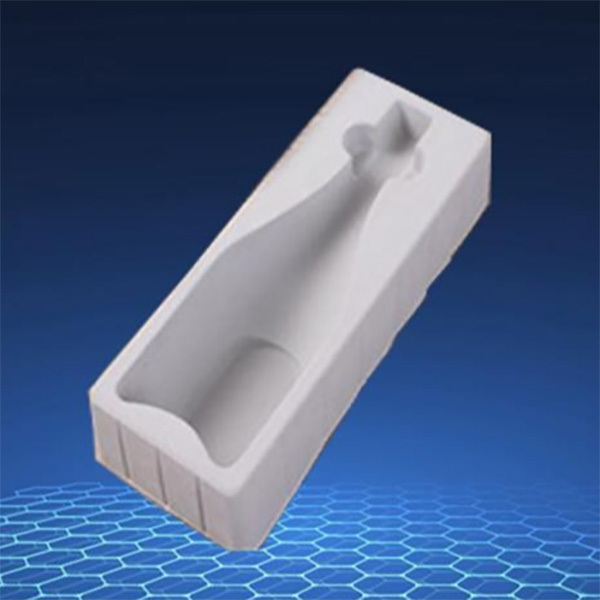
The advantages of blister packaging in the packaging market allow it to thrive even in the downturn of the plastic industry. Nowadays, composite blister packaging not only possesses all the good properties of composite substrates but also enhances quality assurance. Moreover, the structure of blister packaging is diversifying, providing us with various forms of convenience, such as zipper bags, rotating bags, etc.
View Details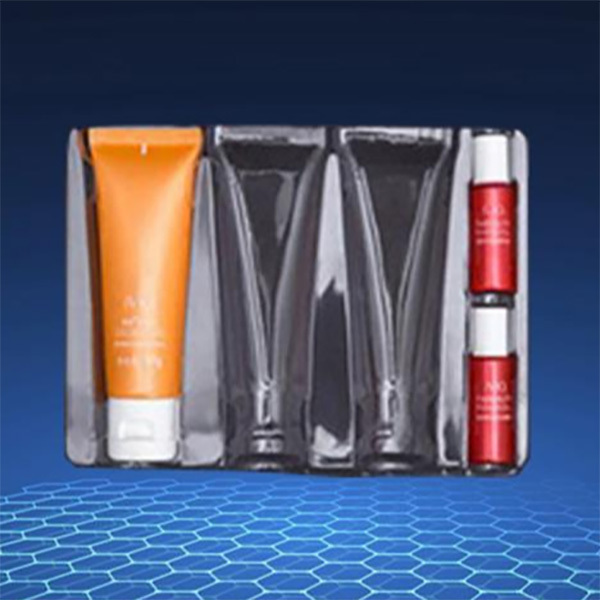
A type of plastic processing technology, the main principle is to heat and soften flat plastic sheets, vacuum adsorb them onto the surface of a mold, and cool them to form. It is widely used in industries such as plastic packaging, lighting, advertising, and decoration.
View Details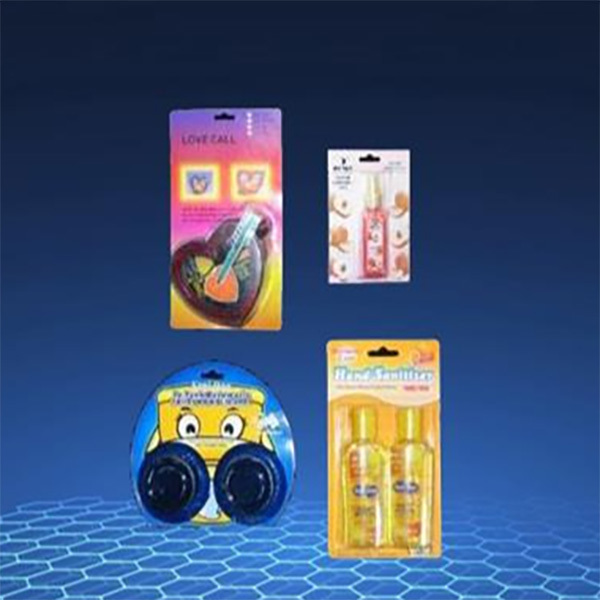
In terms of the variety and quantity of resource consumption, vacuum soft packaging has incomparable advantages over other forms of packaging. Vacuum packaging materials are relatively lightweight, soft, and also easy to fold and package. The recycling and transportation of waste materials from vacuum soft packaging can be said to be quite convenient. There are many waste disposal methods, which can vary according to the nature of the waste. Methods such as landfilling, incineration, decomposition, and recycling can be adopted.
View Details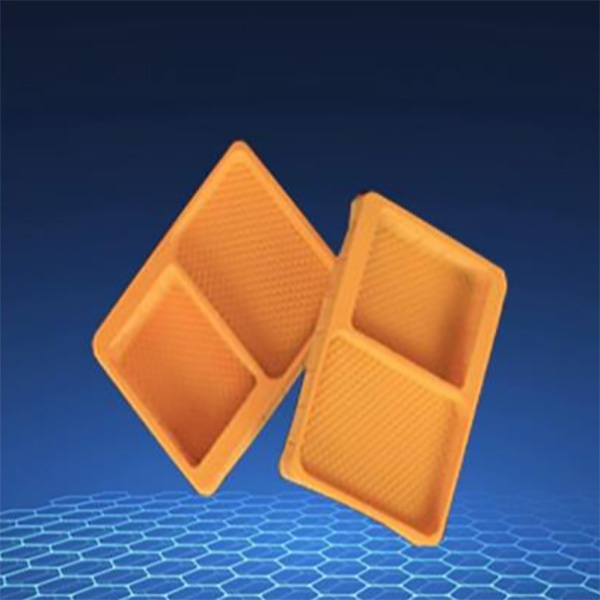
Contact Information
Address: Room 201, Building 3, No.2 Bojian Street, Tangxia Town, Dongguan City, Guangdong Province
Mobile website